QQQ Range Rider
A rules-based approach to short-term oversold conditions in QQQ.
What the structure is designed to do.
This strategy focuses on QQQ, the exchange-traded fund that tracks the Nasdaq-100. It looks for short-term oversold conditions rather than buying continuously, with the aim of entering after market weakness.
Internal Bar Strength (IBS) is part of the entry and exit framework. Signals, exposure and exits should be evaluated together; a high historical win rate does not remove drawdown risk.
This page is educational. Suitability depends on your objectives, experience, portfolio and ability to absorb loss.
- Trade QQQ only
- Wait for the defined oversold signal
- Exit when the framework identifies an overbought condition
Know the trade-offs before entry.
- Universe
- QQQ
- Style
- Short-term mean reversion
- Decision model
- Rules-based entries and exits
- Primary risk
- Extended selloffs can persist after an oversold signal
Performance needs context.
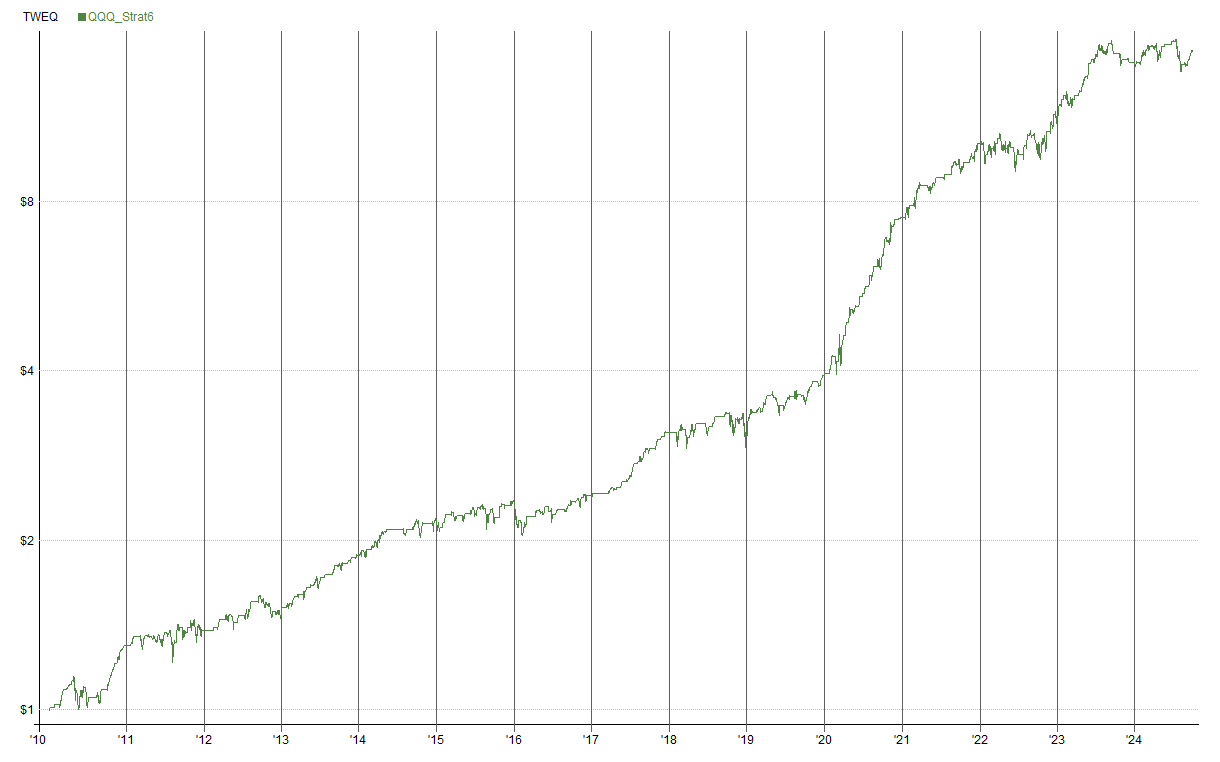
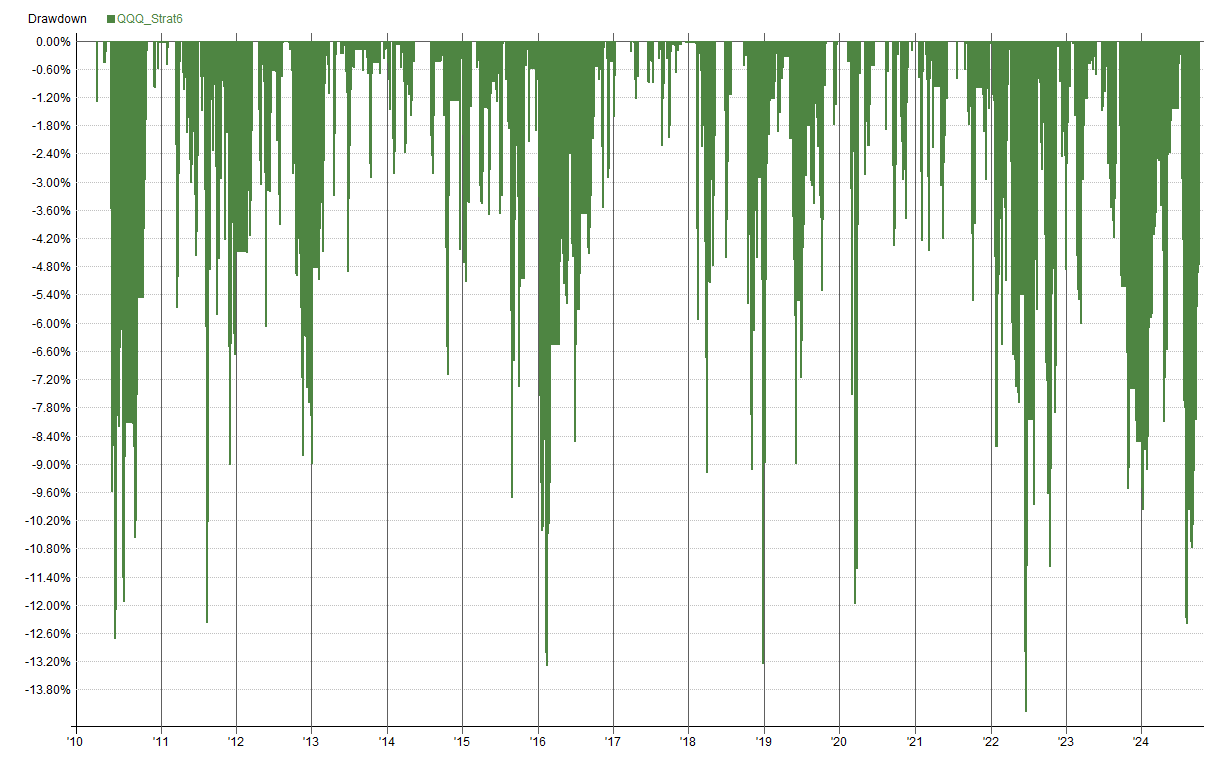
Figures carried forward from the original Pater Capital material. Period, assumptions and methodology must be verified before use.
Historical and hypothetical results are not a guarantee of future performance. Backtests can omit live-market effects and are sensitive to assumptions.